
Beyond Credit: Micro-Leasing as a Gender-Smart Solution in Livestock-Based Livelihoods
- TGT GLOBAL Development services
- Sep 26, 2025
- 3 min read

Traditional credit-based financing mechanisms have often failed to reach the last mile, particularly rural women engaged in small livestock farming. With limited access to collateral, formal banking services, and financial literacy, many women face steep barriers to enter or scale livestock-based livelihoods. In this context micro-leasing has emerged as a gender-smart alternative that reduces risk, increases access to productive assets and supports inclusive rural development.
What is Micro-Leasing in Livestock?
Micro-leasing is a financial mechanism where a productive asset—such as a goat, pair of poultry, or even a milking cow—is leased rather than sold to the beneficiary. The lessee uses the asset to generate income and, over time, either buys it off or returns is based on agreed terms. Unlike traditional loans, micro-leasing does not demand upfront ownership or collateral, making it highly inclusive and accessible.
Why Micro-Leasing is Gender-Smart
No Collateral, No Problem: Rural women rarely own land or other assets to offer as collateral. Micro-leasing bypasses this requirement, allowing them to access income-generating livestock without needing formal credit qualifications.
Lower Financial Risk: Women often avoid formal loans due to the fear of debt traps. Micro-leasing typically includes flexible repayment terms linked to livestock productivity, which significantly reduces repayment pressure.
Increased Autonomy and Confidence: Ownership—or even temporary stewardship—of livestock builds confidence and bargaining power for women within households and communities.
Support Services Embedded: Micro-leasing is often bundled with training, veterinary support, and insurance, which ensures women not only receive the asset but also learn to manage it efficiently.
Scalability Through Self-Help Groups (SHGs)/ community institutions and FPOs: Micro-leasing models can be routed through SHGs/ community institutions and women-led Farmer Producer Organizations, ensuring peer accountability and collective bargaining, and reducing administrative overheads.
Case Snapshot: Leasing Livelihoods in Uttar Pradesh & Jharkhand
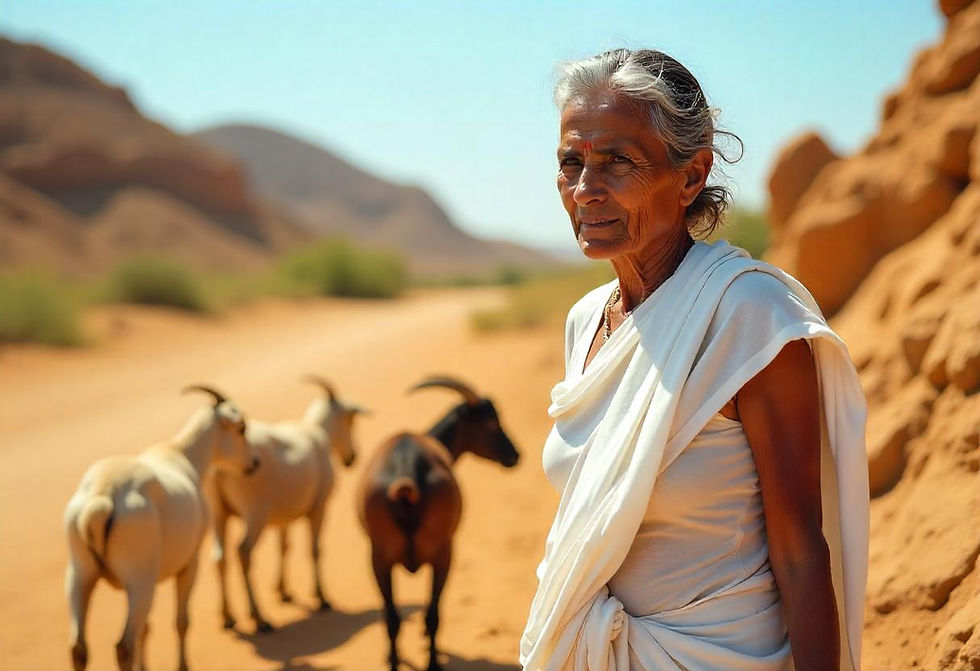
For the past five years, Goat Farmer Trust has been actively working with over 1500 rural women across the districts of Sitapur, Barabanki, Bahraich, Fatehpur, Mirzapur and Gonda in Uttar Pradesh, and Deoghar in Jharkhand, through its innovative Goat Bank (Goat Leasing) Scheme.
Under this program, goats are provided to women based on group approval by a Joint Liability Group (JLG), along with a nominal security deposit. The program ensures that the financial risk is minimized while promoting collective accountability.
Each woman beneficiary receives comprehensive support from trained Pashu Sakhis, including livestock health services, management guidance and feeding-related support—ensuring the goats thrive and the women gain the knowledge needed for long-term success.
As per the leasing model, the beneficiaries are required to return 50% of the offspring (based on weight and gender) after each kidding cycle, three months post-birth, at prevailing market rates. This model ensures asset rotation and sustainability of the program for newer beneficiaries.
The program's impact speaks for itself:
More than 350 women have successfully completed their leasing commitments and have begun independently rearing 3 to 5 female goats, goat breeding from the original livestock provided. These women are now earning additional household income without any further investment, marking a significant step toward economic self-reliance and resilience.
Designing a Gender-Sensitive Micro-Leasing Model: To maximize the gender impact, a micro-leasing model should include:
Livestock Selection: Prefer species manageable by women (e.g., goats, backyard poultry)
Capacity Building: Ongoing training in animal care, record-keeping, and business skills
Embedded Services: Veterinary support, input supply, and access to markets
Flexibility: Custom lease terms (seasonal repayment, partial ownership, offspring returns)
Monitoring & Evaluation: Gender-specific impact indicators like income control, confidence, and mobility
Challenges & the Way Forward: While micro-leasing offers promise, it is not without challenges:
Ensuring animal health during lease tenure
Need for clear legal agreements
Risk of asset misuse or loss
Sustainability of leasing institutions
To address these, partnerships with development organizations, insurance providers, and agri-tech startups can be built. Moreover, public policy recognition of micro-leasing under rural livelihood and gender inclusion schemes can catalyze scale.
Micro-leasing is more than just a financial tool—it is a social and economic enabler. When designed with gender in mind, it can bridge the asset gap, empower rural women, and strengthen livestock-based livelihoods sustainably. By moving beyond credit, micro-leasing paves the way for inclusive development where women are not just recipients, but leaders of rural prosperity.

Comments