
Goat Farming to Poultry Rearing: CSR Opportunities in Livelihood, Nutrition & Women Empowerment
- TGT GLOBAL Development services
- Jan 20
- 2 min read

Corporate Social Responsibility (CSR) initiatives in India are increasingly seeking sustainable models that not only enhance incomes but also create social impact at the grassroots. Small livestock farming—such as goat rearing and backyard poultry—emerges as one of the most promising avenues, particularly for rural households led by women’s. These social enterprises require low investment, adapt well to local resources and provide multiple benefits ranging from livelihood security to nutritional improvements.
Small Livestock: The Backbone of Rural Livelihoods
Goat and backyard poultry rearing are often referred to as the "ATM of the poor" due to their ability to provide quick returns and liquid assets during times of need. For rural households, especially those with limited landholding, small livestock becomes a vital source of supplemental income. Goats offer regular earnings through milk, mutton, kids and manure, while poultry contributes daily income via eggs, meat and chicks. Together, they diversify and minimise risk and strengthen household resilience against economic shocks.
Livelihood Opportunities Through CSR
CSR-funded interventions in small livestock farming can support:
Breed improvement and veterinary care through community-based health workers.
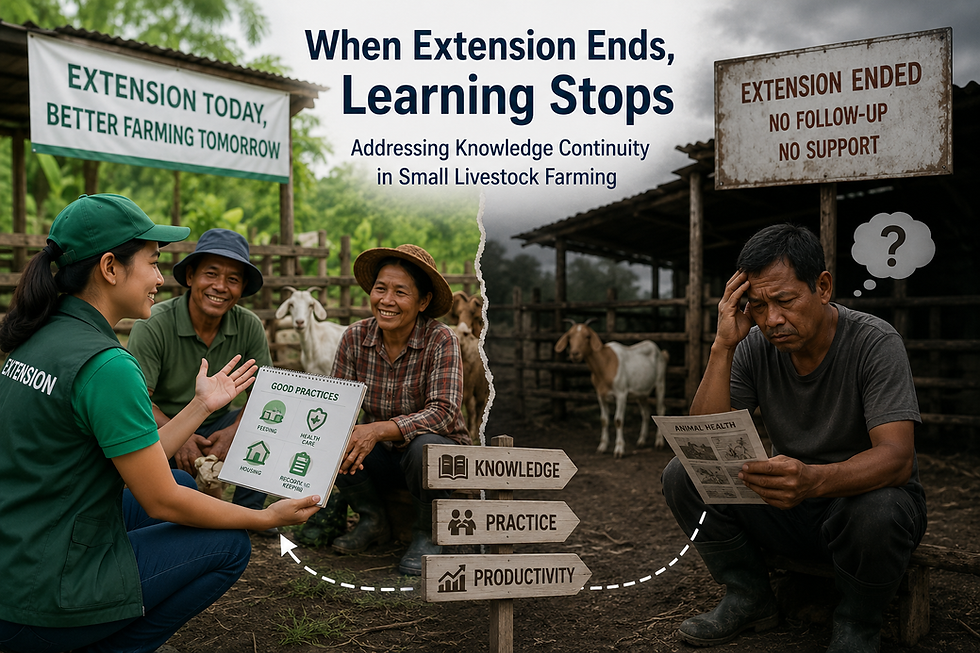
Capacity building for rural women and youth on scientific rearing practices.
Market linkage development to ensure better price realization.
Producer collectives and cooperatives that strengthen bargaining power.
Such investments enhance household income, create employment at the village level and align with CSR goals of poverty reduction and inclusive growth.
Nutrition and Food Security
Malnutrition remains a pressing concern in many rural areas of India. Small livestock can directly improve nutrition by providing affordable, protein-rich food. Goat milk and meat are highly nutritious, while poultry indigenous eggs contribute to child growth and women’s health. By promoting goat and poultry farming, CSR initiatives can address hidden hunger and strengthen food security, particularly among women and children.
Women Empowerment at the Core
Traditionally, goat and poultry management are activities handled by women. Investing in these enterprises empowers women by:
Enhancing their control over household income.
Increasing decision-making power within families.
Building self-confidence and leadership as members of producer groups or cooperatives.
Reducing gender disparity by recognizing women as economic contributors.
Women-led livestock enterprises have shown stronger repayment records in microfinance and greater reinvestment in children’s education, nutrition and health—making them a natural choice for CSR-driven interventions.
Sustainability and Climate Resilience
Small livestock are highly adaptive to climate variability, requiring fewer resources compared to large livestock. CSR initiatives that support goat and poultry farming also contribute to climate resilience, sustainable agriculture and circular farming systems (use of manure for soil fertility, reduced dependency on chemical inputs for organic production).
From goat farming to backyard poultry, small livestock enterprises represent a low-cost, high-impact model for CSR investment. They simultaneously deliver on multiple Sustainable Development Goals (SDGs)—no poverty, zero hunger, gender equality and climate action.
By investing in community-driven goat and poultry programs through circular economy, CSR agencies can create sustainable livelihoods, improve nutrition and empower women, paving the way for inclusive rural development and long-term impact.


Comments