
Protein on the Periphery: How Goats and Hens Improve Rural Child Nutrition
- TGT GLOBAL Development services
- Dec 5, 2025
- 2 min read

In many rural and marginalized regions of the world, particularly in South Asia and Sub-Saharan Africa, child malnutrition remains a persistent public health concern. In India alone, nearly 35% of children under five years of age suffer from stunting due to chronic undernutrition (NFHS-5, 2021). The primary reason: lack of access to affordable, high-quality protein sources. However, amid these challenges, a promising solution quietly thrives on the periphery of farms and courtyards — small livestock like goats and indigenous hens.
This article explores how backyard goat and poultry rearing can become critical tools in addressing malnutrition among rural children by improving diet diversity, micronutrient intake and household food security.
The Nutritional Value of Goats and Hens:
🐐 Goat Products:
Goat milk is rich in calcium, Vitamin A, B2 (riboflavin) and easily digestible proteins.
It has low lactose content, making it suitable for lactose-intolerant children.
Goat meat (chevon) is a lean protein source, low in cholesterol and high in iron and zinc — essential for brain development and immunity.
🐔 Poultry Products:
Eggs are considered nature’s perfect food, providing complete proteins, Vitamin D, B12, selenium and choline.
Chicken meat offers an affordable, nutrient-dense source of protein and iron.
Combined, goats and hens offer a balanced source of animal protein and essential micronutrients, particularly valuable in the first 1,000 days of a child’s life.
Small Livestock, Big Impact: Rural Case Studies: Several community-based livestock programs in India, Bangladesh, and East Africa have demonstrated that backyard goat and poultry rearing increases household dietary diversity and child nutrition. Key findings include:
Children in households with poultry had significantly higher egg consumption and better growth indicators.
Goat milk availability led to improved nutritional outcomes among children under five, especially during lean seasons.
Moreover, women-led livestock rearing ensures that income and food stay within the household, directly benefiting children.
Accessibility and Scalability: Goats and hens are ideal for resource-poor households:
Low input costs
Require minimal space and feed
Quick reproductive cycles
Can thrive in dryland, hilly, and tribal regions where traditional agriculture struggles
These traits make them a scalable and sustainable solution to integrate into nutrition-focused development programs.
Barriers and Recommendations: Despite the benefits, barriers like lack of veterinary support, limited breed quality and market access persist. To optimize impact, programs must:
Integrate livestock into Anganwadi and ICDS nutrition strategies
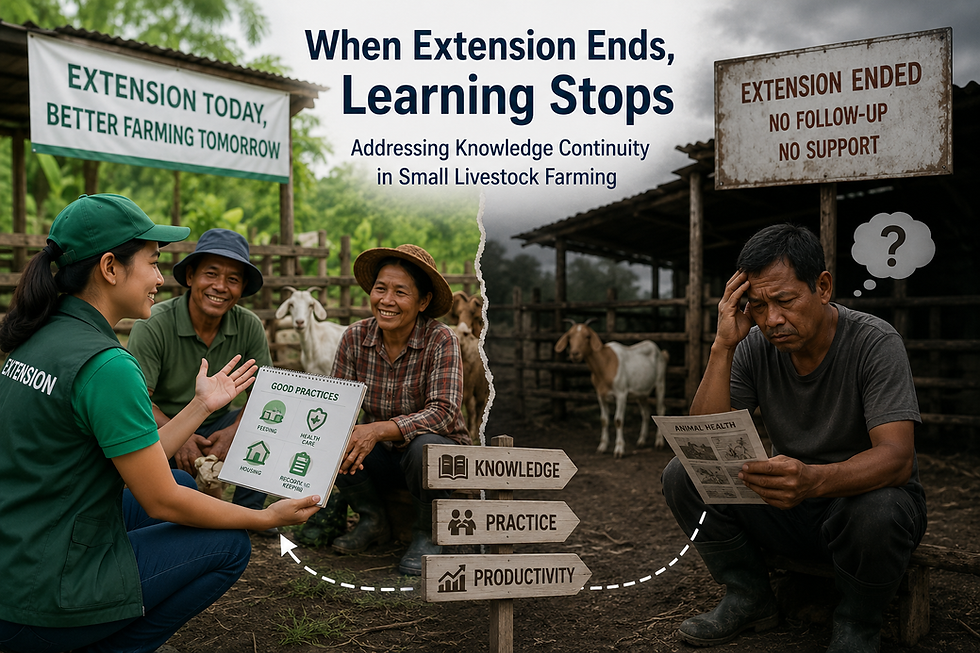
Promote training and veterinary extension for women caregivers
Encourage school and community egg/milk inclusion in Mid-Day Meal Schemes
Support climate-resilient livestock practices to ensure year-round availability
Small livestock may be peripheral in size, but their impact on child nutrition is anything but. Goats and hens, often overlooked in large-scale nutrition interventions, can act as nutritional game changers for rural India. By recognizing and investing in these modest animals, we can make significant strides toward achieving zero hunger and improved child health in the most vulnerable corners of society.


Comments