
Every Drop Counts: Understanding Water Needs of Goats in Hot Climates

As India faces more frequent heatwaves and extended dry seasons, the impact on small livestock—especially goats—has become increasingly evident. Goats are known for their resilience in arid and semi-arid regions, but rising temperatures and water scarcity are putting even the hardiest breeds under stress. Understanding and managing the water requirements of goats is no longer optional—it’s essential for productivity, health and survival.
Why Heat Matters for Goat Hydration: Goats regulate body temperature primarily through respiration and limited sweating. In hot climates, their water loss increases significantly due to:
Panting to cool the body
Higher metabolic heat from digestion
Increased water loss through feces and urine
This makes adequate water access vital during hot spells, especially for lactating does, kids and breeding males.
How Much Water Do Goats Need?: Water intake varies based on age, weight, diet, activity and temperature. But in hot conditions (35°C+), adult goats may require 6–12 liters of water per day—almost double their normal intake in cooler months. The quantity of water depends on the size of the goat and how drinking water was given by making it testier. Here’s a restimated guide for hot climates:
Kids (1–3 months): 1–2 liters/day
Does (non-lactating): 4–6 liters/day
Does (lactating): 6–12 liters/day
Bucks (adult): 5–8 liters/day
If goats are fed dry fodder or grain-based diets, water needs further increase. In contrast, green fodder can reduce water demand slightly.
Challenges in Rural India: In many rural and tribal parts of India, water for livestock is not prioritized and assumed they must have drink water from somewhere during browsing. Some common issues include:
Seasonal drying up of ponds and handpumps
Competition with household and crop water needs
Lack of shaded or clean drinking sources
Use of stagnant or contaminated water during drought
These conditions result in dehydration, reduced feed intake, lower milk yield and increased disease vulnerability.
Best Practices for Managing Water in Heat: To safeguard goat health in hot climates:
Ensure Constant Access: Goats should have access to clean water at all times, especially during peak heat hours (12–4 PM).
Keep Water Cool: Use water troughs kept on shade or earthen pots to prevent water from evaporation by overheating.
Water Quality Checks: Avoid stagnant or muddy water. Periodically clean drinking containers.
Rainwater Harvesting: Install small-scale rooftop systems or bunds for livestock water storage.
Hydrating Feed Options: Incorporate moisture-rich forages like green legumes, Moringa leaves or cucurbits.
Shift Grazing Time: Allow grazing during early mornings or late evenings to reduce heat and water stress.
Signs of Dehydration in Goats: Watch for the following symptoms, especially in summer:
Sunken eyes
Dry nose and gums
Lethargy
Rapid breathing or panting
Skin tenting (loss of elasticity)
Drop in milk yield
Immediate rehydration and shade should be provided if these signs appear.
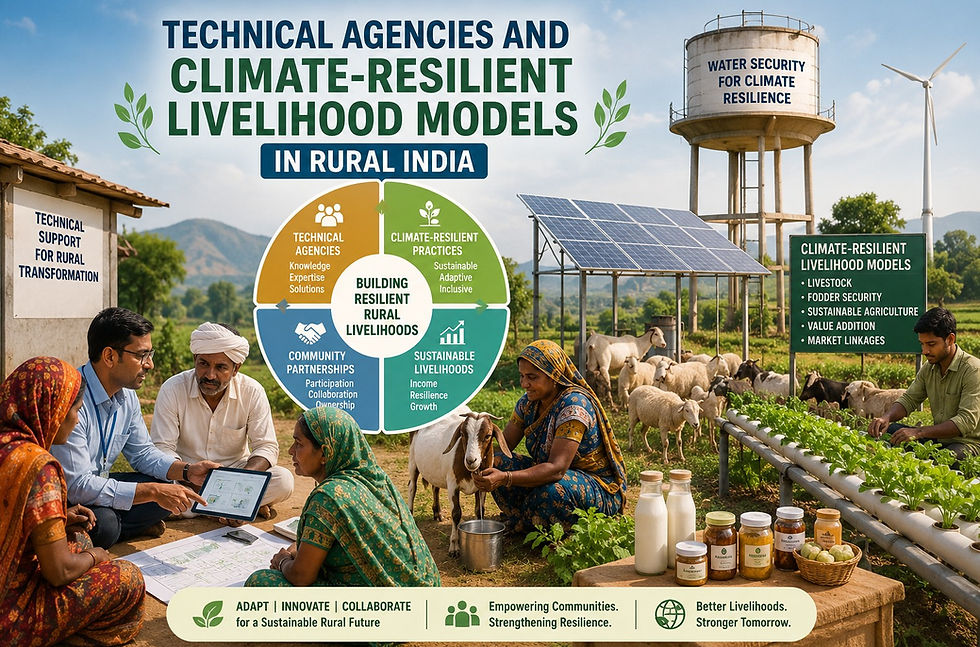
Toward Climate-Resilient Goat Rearing: With climate variability becoming the norm, sustainable water management for goats is more than a welfare issue—it's key to livelihood security for millions of rural families. Government schemes, NGOs and farmer collectives must integrate water security in livestock programs through awareness, infrastructure and community-led solutions. Because in a hot, thirsty climate due to global warming, every drop really will count.



Comments